
Nipissing Long-Term Disability Lawyers
Find out if you have a case today.
Contact our Nipissing long-term disability lawyers for a free consultation if you have legal questions regarding your long-term disability claim.

Book a FREE Consultation
Tell us what happened
We’re here to help.
Do you live in Nipissing? Here’s how we can help:
Table of Contents
Published: May 18, 2022 | Last Reviewed: August 11, 2026
Key Takeaways About Nipissing LTD Claims
- Eligibility is determined primarily by the wording of the insurance policy, not by diagnosis alone.
- Medical evidence should explain how symptoms affect the claimant’s ability to perform their occupational duties reliably.
- Many LTD policies change from an “own occupation” definition to an “any occupation” definition after a specified period.
- An insurer’s internal appeal is not always the only option and may not suspend the limitation period for a lawsuit.
- People in northern or rural communities may need to document how specialist wait times, travel, and limited local treatment affect their medical record.
People living with a disability often face physical, emotional, and financial difficulties. This is especially true for those who can no longer work in their occupational field because of circumstances outside their control.
When regular employment income ends, a person may reasonably worry about supporting themselves and their family. For people diagnosed with a disabling medical condition, long-term disability benefits may be their primary source of income.
LTD benefits are intended to help eligible policyholders when a chronic illness, serious injury, or debilitating mental-health condition prevents them from working. Unfortunately, insurers sometimes deny claims or terminate previously approved payments even though the claimant continues to experience disabling symptoms.
If your insurer has withheld or ended benefits, our Nipissing long-term disability lawyers can review the policy, medical evidence, occupational demands, and reasons given for the decision.
LET US PUT OUR EXPERTISE TO WORK FOR YOU
Tell Us What Happened
Since 1959, we’ve helped thousands of Canadians get the compensation they deserve with their long-term disability claims. One of Canada’s oldest personal injury law firms, personal injury law is exclusively what we do. Book a free consultation today with our top-rated personal injury lawyers.
Our team is available 24/7 to speak with you.
How Long-Term Disability Coverage Works in Nipissing
LTD coverage may be provided through an employer’s group benefits plan or purchased privately. The contract usually sets out the waiting period, monthly benefit, maximum amount, exclusions, offsets, and definition of disability.
Many policies pay a percentage of pre-disability earnings up to a contractual monthly limit. The amount should not be assumed without reviewing the policy or benefits booklet.
A claimant may first need to use employer sick leave or short-term disability benefits. Some people also apply for Employment Insurance sickness benefits while waiting for LTD eligibility.
Approval is not necessarily permanent. Insurers can require continuing proof of disability and may reassess the claimant’s condition, treatment, functional abilities, and work prospects.
The Policy’s Definition of Disability Matters
One of the most important questions is how the contract defines disability.
During an initial period, many policies use an “own occupation” test. This generally asks whether the person can perform the essential duties of their regular occupation.
The analysis should focus on the claimant’s actual job rather than a generic job title. A nurse, mechanic, teacher, office employee, or equipment operator may have very different physical, cognitive, scheduling, and interpersonal demands.
After a period stated in the contract, many policies change to an “any occupation” test. The insurer may then examine whether the claimant can perform another occupation for which they are reasonably suited by education, training, or experience.
The transition does not necessarily mean the claimant must be incapable of every possible job. The exact policy language, expected income, transferable skills, age, education, and realistic work capacity should be considered.
Benefits are frequently terminated at this change-of-definition stage even when the claimant’s medical condition has not improved.
Qualifying for a Long-Term Disability Claim in Nipissing
Medical diagnoses are important, but LTD claims are usually decided by examining function.
The insurer may ask how the condition affects sitting, standing, walking, lifting, concentration, memory, attendance, pace, stress tolerance, communication, or interaction with co-workers and the public.
A person with chronic pain may be able to perform a task briefly but not sustain it through a full workday. Someone with depression may physically attend work yet be unable to concentrate, make decisions, maintain productivity, or manage ordinary workplace stress.
The medical evidence should connect symptoms to occupational restrictions. Treating practitioners should understand the claimant’s actual job duties when providing an opinion about work capacity.
Relevant documentation may include clinical notes, specialist reports, diagnostic tests, treatment records, medication history, functional assessments, psychological evaluations, and records of failed return-to-work attempts.
Invisible and Fluctuating Conditions Can Still Be Covered
A claimant does not need to have an obvious physical injury to qualify for benefits.
Conditions that may support a claim include chronic pain, fibromyalgia, complex regional pain syndrome, traumatic brain injury, spinal disorders, depression, anxiety, post-traumatic stress disorder, bipolar disorder, autoimmune disease, heart disease, arthritis, and other chronic illnesses.
Invisible symptoms can be difficult to demonstrate through imaging or laboratory testing. Fatigue, cognitive impairment, panic attacks, dizziness, sleep disruption, and medication side effects may nevertheless prevent reliable employment.
Fluctuating conditions create additional challenges. A person may have better days and worse days, but the relevant question is often whether they can perform occupational duties dependably and predictably.
The fact that someone can grocery shop, attend an appointment, or take part in a limited family activity does not necessarily establish capacity for full-time competitive employment.
Why Insurers Deny or Terminate LTD Benefits
An insurer may argue that the medical evidence does not establish functional impairment, the claimant has not pursued appropriate treatment, or modified work is available.
Other denials may involve missed forms, incomplete medical information, exclusions, pre-existing condition clauses, failure to satisfy the waiting period, or a dispute over when coverage began.
Insurers may rely on independent medical examinations, file reviews, surveillance, social-media activity, or transferable-skills assessments. Each source should be examined in context.
A short video of a claimant completing an isolated activity may not reflect the symptoms experienced afterward or the ability to repeat that activity throughout a workweek.
The denial letter should identify the policy language and evidence relied upon. A lawyer can compare those reasons with the contract, medical records, occupational demands, and other available information.
Understanding the Difference Between Internal Appeals and Lawsuits
An insurer may invite a claimant to appeal internally by submitting additional evidence.
An appeal may be useful when a key specialist report was unavailable, the insurer misunderstood the job, or a treating practitioner can answer a specific concern.
However, the appeal is still decided by the insurance company. Repeated appeals can consume significant time without resolving the dispute.
A lawsuit may be another option. Legal proceedings can seek payment of withheld benefits and, where supported by the facts and law, other damages.
An internal appeal does not necessarily stop the limitation period for suing the insurer. Claimants should not assume that ongoing correspondence or repeated document submissions preserve every legal right.
What May Be Claimed After an LTD Denial?
A legal claim may seek unpaid benefits that should have been paid under the policy and a determination concerning ongoing entitlement.
The value of unpaid benefits depends on the contractual monthly amount, offsets, tax treatment, date payments stopped, and duration of disability.
Additional damages may be claimed in some cases where the evidence supports them. Punitive or aggravated damages are exceptional and are not awarded merely because the insurer made an incorrect decision.
Legal fees and costs are governed by the retainer agreement, procedural rules, settlement, and any court order. They should not be described as an automatic form of compensation.
No law firm can guarantee that benefits will be reinstated or that additional damages will be awarded. However, our Nipissing long-term disability lawyers at Preszler Injury Lawyers can ensure that every facet of your case is examined and pursued.
What to Do if Your Disability Was the Result of an Accident?
Some disabilities arise from a motor vehicle collision, unsafe property, recreational accident, or another negligent event.
In these situations, the claimant may have an LTD claim as well as a separate personal injury or automobile claim.
Our Nipissing personal injury lawyers can review whether another party may be liable for treatment costs, income loss, pain and suffering, and other damages.
When disability follows a road collision, our Nipissing car accident lawyers can assess statutory accident benefits and a possible claim against an at-fault party.
These files should be coordinated. Statements about symptoms, work capacity, treatment, and income must remain accurate and consistent across the different proceedings.
Can I Return to Work While Received LTD Benefits?
Some claimants are offered modified duties, reduced hours, or a gradual return-to-work program.
A medically appropriate attempt can provide useful information about capacity. The plan should clearly identify the hours, duties, restrictions, accommodations, and method for monitoring progress.
A claimant should not conceal symptoms in an effort to satisfy an employer or insurer. Problems should be reported accurately to the employer, insurer, and treating practitioners.
A failed return-to-work attempt may demonstrate that the person remains disabled despite genuine effort. Conversely, refusing reasonable and medically suitable duties without explanation can affect the claim.
A treating practitioner should review the proposed duties before the return begins where possible.
Handling Medical Examinations and Insurer Requests
Many policies allow an insurer to require independent medical or functional assessments.
The request should be reviewed for compliance with the policy and reasonableness. Claimants may need to attend, but they should understand the purpose of the assessment and provide accurate answers.
Insurers may also request authorizations permitting access to medical, employment, tax, and benefit information. The wording and scope should be reviewed before signing.
Failure to cooperate with reasonable requests can affect entitlement. At the same time, claimants are entitled to ask what information is being requested and why it is relevant.
Limitation Periods in Nipissing Disability Cases
Ontario’s Limitations Act, 2002 generally creates a two-year limitation period beginning when a claim is discovered.
Determining the start date in an LTD case may require review of the denial letter, termination notice, policy, appeal correspondence, and whether the insurer clearly communicated that benefits would not be paid.
The period should not automatically be calculated from the date the disability began, the last medical appointment, or the end of the internal appeal.
A contractual provision may also affect deadlines or notice requirements. Prompt review of the policy and denial is important.
Frequently Asked Questions About Nipissing LTD Claims
Can Mental-Health Conditions Qualify for LTD Benefits?
Potentially. Depression, anxiety, PTSD, and other psychiatric conditions may be disabling when symptoms prevent reliable performance of occupational duties. Medical evidence should explain the functional effects.
Does My Condition Need to Be Permanent to Qualify?
Not necessarily. Entitlement depends on the policy definition and whether the person is disabled during the period claimed. Some conditions improve with treatment, while others remain chronic.
Can the Insurer Stop Benefits After Two Years?
Some policies change their disability definition after approximately two years, but the timing and test depend on the contract. Benefits should not be terminated automatically without applying the correct definition to the evidence.
Must I Complete an Internal Appeal Before Suing?
Not always. The available options depend on the policy, denial, evidence, and limitation period. Legal advice can help determine whether an appeal, lawsuit, or another response is appropriate.
Can I Work Part-Time While Receiving LTD Benefits?
Possibly. Some policies permit rehabilitative or partial-disability work and reduce the monthly benefit based on earnings. Work should be disclosed and reviewed under the policy before it begins.
Contact Our Nipissing Long-Term Disability Lawyers for a Free Consultation Today
Standing up to a large insurance company can feel overwhelming, particularly when a disabling condition has already caused financial and emotional strain.
Our Nipissing long-term disability lawyers can review the policy, denial or termination letter, medical evidence, occupational demands, and applicable deadlines.
Preszler Injury Lawyers offers free initial consultations. Legal fees are generally not payable unless compensation is recovered, subject to the terms of the retainer agreement.
Contact us online or call 1-888-608-2111 to discuss your denied or terminated long-term disability benefits.
Co-Authored by Jeffrey A. Preszler
Personal Injury Lawyer
Partner Jeffrey Preszler’s practice focuses on personal injury claims, including motor vehicle accident claims, slip and fall claims, long-term disability claims, and institutional abuse claims.
Proudly Canadian
Award Winning Personal Injury Law Firm
We are proud to be one of Canada’s oldest and long-standing personal injury law firms. Since 1959, we have been providing exceptional legal services and have established ourselves as leading personal injury lawyers in the Canadian legal community. It’s not just the awards that recognize our achievements, but also the wins we’ve achieved for thousands of Canadians with their long-term disability claims.


Case Results
long-term disability Settlements
Please note that past results are not indicative of future results as each scenario presents itself with its unique set of circumstances. But here are some long-term disability related wins we’ve had for our clients.
Our 5 Star Reviews on Google
B.H.

These Wonderful People Worked Hard For Me, I Give So Much Thanks, Great To Talk To, Also Very Kind, I Recommend Very Much, They Will Fight For You. They Have A Heart ❤️ Thanks Joseph, Pleasure To Have You As My Lawyer. Thanks To Your Whole Team.
A.B.
David and the team were very professional and helped me with my success with my claim. Thank you all. I will recommend your firm.
N.R.
Preszler Injury Lawyers has been instrumental in helping me on my road to recovery after a car accident in 2021. I highly recommend this team of amazing injury lawyers. Thank you Joey Fearon for all that you do.
A.D.
Dealing with Mark Freeman was a huge relief. Great communication from day one, all the way through to the end. Very happy with his help and would recommend to any in need.
E.C.
Excellent service and consistent communication made the experience much less stressful. Every question was answered promptly and clearly.
D.A.
The lawyers handled our matter with care, patience, and attention to detail. We always felt supported and respected.
More long-term disability Topics
Here’s more information on long-term disability related topics that we think you might find helpful.

long-term disability
|
August 11, 2026
Most Common Types of Disability Claims in Canada (2026)
Disability Claims in Canada: Key Takeaways The most common disability types reported by ESDC relate to pain (9.7%), flexibility (7.6%), mobility (7.2%), and mental or…

long-term disability
|
January 21, 2026
Understanding the “Own Occupation” Clause in Long-Term Disability Insurance Benefits
The “own occupation” clause in long-term disability insurance defines a period, usually the first two years of a claim, where benefits are paid if you…

long-term disability
|
January 21, 2026
What Happens When Your LTD Benefits Are Terminated After Years of Approval?
When long-term disability (LTD) benefits are terminated after years of approval, it usually signals that the insurance company believes you no longer meet the specific…
Download Our "Long-Term Disability Appeals" E-Book
Here’s an e-book you might find useful if you’re interested in learning more about how long-term disability claims work.
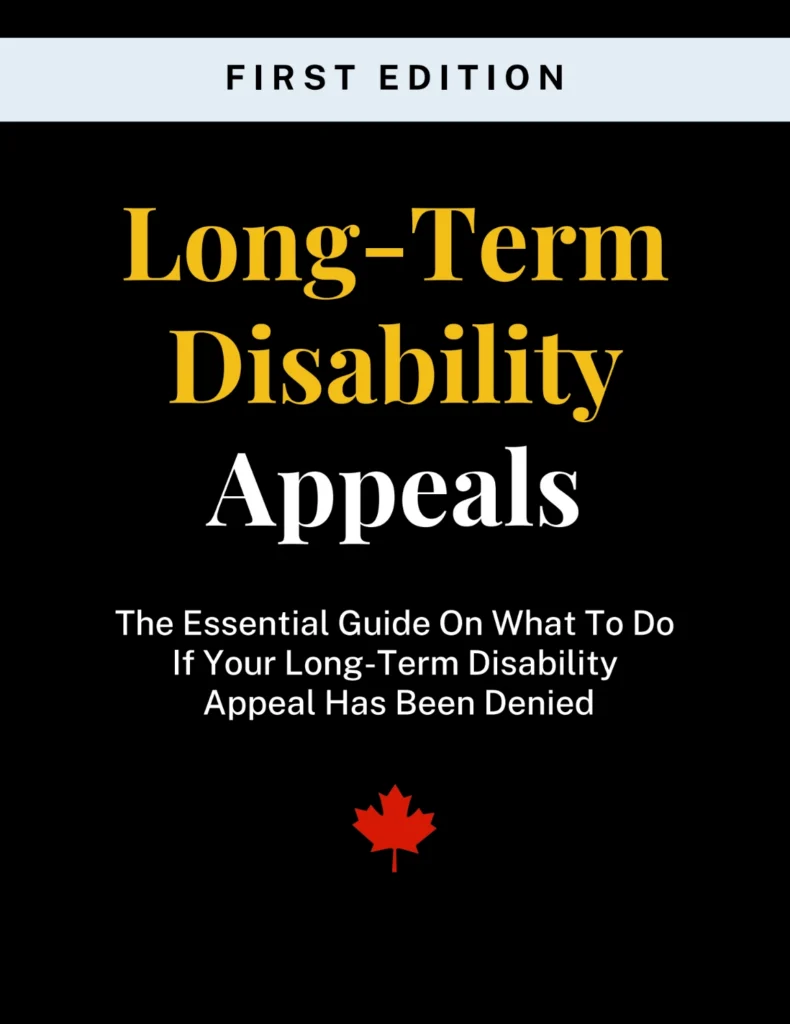
In this ebook, you’ll learn:
- The difference between an internal appeal and a lawsuit
- How the LTD appeals process typically works in Ontario
- What evidence you can gather to strengthen your appeal
- How to respond to insurance company requests and other tactics they might use
- What deadlines may apply to your appeal
- The benefits of working with an LTD lawyer when you need to appeal your denied claim
- And more
Download Our "I’m Approaching Change of Definition" E-Book
Here’s an e-book you might find useful if you’re interested in learning more about how long-term disability claims work.
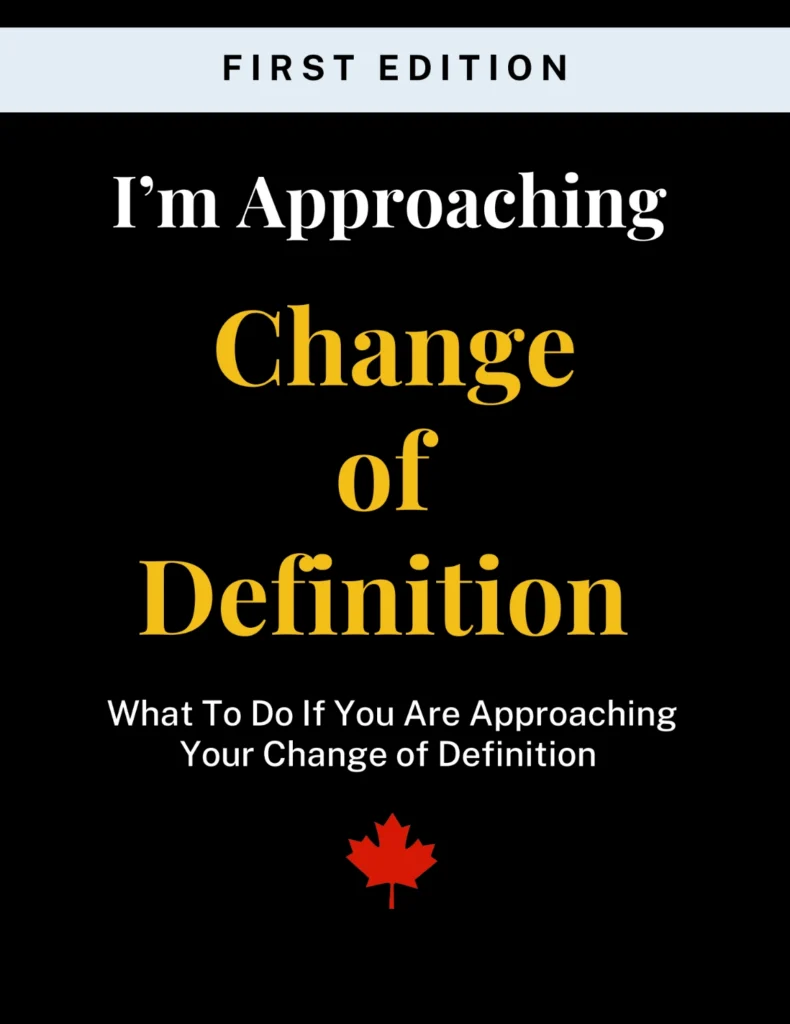
This ebook will help you:
- Understand what “change of definition” means when it comes to LTD policies
- Learn when this shift typically occurs and how it might affect your eligibility
- Know what evidence you can collect to support your continued claim
- Identify warning signs that a denial or termination might be coming
- Explore your legal options when your insurer cuts off your benefits
- Discover how a long-term disability lawyer can advocate for your rights
- And more
Download Our "Denied Long-Term Disability Benefits" E-Book
Here’s an e-book you might find useful if you’re interested in learning more about how long-term disability claims work.
In this ebook, you’ll learn:
- Common reasons why long-term disability claims are denied in Ontario
- What to do immediately after receiving an LTD denial
- The difference between appealing a denial and filing a lawsuit against your insurer
- How to gather strong medical and occupational evidence to support your claim
- What deadlines apply to LTD claim disputes
- How our long-term disability lawyers can help you build a strong case
- What compensation you may be entitled to
- And more
Download Our "Applying for Long-Term Disability Benefits" E-Book
Here’s an e-book you might find useful if you’re interested in learning more about how long-term disability claims work.
In this ebook, you can read about:
- Who qualifies for LTD benefits in Ontario
- How to effectively complete your LTD application package
- What medical and employment documentation you need to collect
- How insurance companies evaluate LTD claims
- Tips to avoid common errors that may lead to delays or denials
- What to do if your claim is denied
- How our long-term disability lawyers can support your application
- And more
More long-term disability Video Resources
We also have some videos on the topic of long-term disability claims
Learn More in Our Documentaries
Understand how our lawyers help clients fight unfair insurer denials, delays, and terminations.

car accident
When Pain is Invisible: A Documentary
A client’s story about life after a car accident, chronic pain, long-term disability benefits, insurance surveillance, and the ultimate struggle to be believed.
long-term disability FAQs
Here are some commonly asked questions for long-term disability claims
Can I appeal a CPP Disability denial?
Yes, CPP denials can be appealed through the Social Security Tribunal, which reviews applications and medical evidence.
What if my doctor doesn’t support my disability claim?
You may seek a second opinion from another qualified physician to provide additional evidence.
Can the insurance company cut off my benefits without notice?
Insurers may stop benefits if they believe you no longer meet the disability definition, but they must provide reasons.
Will my employer know about my disability claim?
Employers usually only know that you’re receiving LTD benefits, not the details of your medical condition.
What happens if I’m approved for CPP Disability benefits?
Your LTD insurer may deduct CPP benefits from your LTD payments. Approval for CPP Disability may strengthen your LTD case.
Can I work part-time while receiving long-term disability benefits?
Sometimes, policies allow partial benefits if you can work reduced hours. The rules depend on your policy language.
Can my LTD benefits be taxed?
Taxation depends on whether your premiums were paid with pre-tax or after-tax income. If your employer paid the premiums, your benefits may be taxable.
What if my employer terminates me while on disability?
Employment termination doesn’t automatically cancel your LTD benefits. Your coverage may continue as long as you were covered when you became disabled.
LONG-TERM DISABILITY BENEFITS DENIED OR CUT-OFF IN NIPISSING?
Call Our LTD Lawyers for FREE Now
We take on insurance companies for you
Learn how we can challenge your denial or termination and help you secure the benefits you’re entitled to.