
Toronto Wrongful Death Lawyer
Find out if you have a case today.
Contact our Toronto wrongful death lawyers for a free consultation if you have legal questions regarding your wrongful death claim.

Book a FREE Consultation
Tell us what happened
We’re here to help.
Do you live in Toronto? Here’s how we can help:
Table of Contents
After the sudden, tragic, accidental death of a close family member, bereaved relatives are often overcome with grief. If their loved one’s death was caused by the negligent actions (or inactions) of another party or entity, that grief is often compounded with feelings of outrage and helplessness.
No amount of money can compensate grieving family members for the loss of their close relative. However, by working with a Toronto wrongful death lawyer, families in mourning may be able to recover costs they have incurred as a result of their loved one’s senseless, tragic death.
That is because, on top of experiencing overwhelming emotional distress, the families of wrongfully deceased accident victims also typically incur substantial financial losses. These are frequently related to:
- Post-accident medical expenses incurred by the victim prior to their death
- Funeral expenses
- Burial costs
- Loss of expected future income
- Loss of consortium
- And more
At Preszler Injury Lawyers, we believe that grieving family members should not be forced to suffer undue financial harm after suffering the unthinkable loss of a loved one. If your close relative was killed because of someone else’s negligence, our wrongful death lawyers serving Toronto might be able to fight on your behalf to help you recover the compensation you fairly deserve.
In accordance with the province’s Family Law Act, certain relatives of wrongful deceased accident victims could be entitled to pursue damages against the at-fault party whose negligence caused the fatal accident in which their family member lost their life. These relatives include:
- Spouses
- Children
- Parents
- Grandparents
- Grandchildren
- Siblings
Across Canada, unintentional injuries are the sixth leading cause of death for all age groups. When negligent drivers operate their motor vehicles in an unlawful manner, when property owners/occupiers fail to safely maintain their premises, when licensed professionals fail to meet their industry’s safety standards, or when other responsible parties fail to meet their duty of care, lives can be lost. Actions have consequences, and when someone else’s negligent conduct robs a family member of their close relative, the consequences can be life-altering.
In the shocking aftermath of a tragic, fatal event, bereaved relatives of wrongfully deceased accident victims may not know what to do next, or where to turn to pursue accountability and restitution. However, in accordance with the province’s Limitations Act, eligible family members have only a narrow window of time in which they are allowed to pursue a claim.
Grief is a process that is unique to everyone who experiences it individually. Even though there is no universally acceptable timeframe for bereaved relatives to adequately mourn their loved ones, the province of Ontario imposes one on people who wish to pursue a wrongful death claim. Eligible relatives have only two years from the date of their family member’s death in which to take action.
If your child, parent, sibling, grandparent, or grandchild was killed in an accident caused by someone else’s negligence and you incurred financial losses as a result of their death, time is of the essence. Schedule a cost-free, no-obligation consultation with our wrongful death lawyers serving Toronto by calling 1-800-JUSTICE, and learn whether you might be eligible to pursue legal action.
Wrongful Death Claims In Ontario

Contact Our Toronto Wrongful Death Lawyers Today
Our wrongful death lawyers serving Toronto appreciate just how challenging it can be to talk about the loss of a loved one. However, if you are eligible to work with Preszler Injury Lawyers, our Toronto wrongful death lawyers may be able to help you recover the compensation you deserve.
To book your free initial consultation, contact Preszler Injury Lawyers online, or call 1-800-JUSTICE to speak with our wrongful death lawyers serving Toronto.
Proudly Canadian
Award Winning Personal Injury Law Firm
We are proud to be one of Canada’s oldest and long-standing personal injury law firms. Since 1959, we have been providing exceptional legal services and have established ourselves as leading personal injury lawyers in the Canadian legal community. It’s not just the awards that recognize our achievements, but also the wins we’ve achieved for thousands of Canadians with their wrongful death claims.



Case Results
wrongful death Settlements
Please note that past results are not indicative of future results as each scenario presents itself with its unique set of circumstances. But here are some wrongful death related wins we’ve had for our clients.
More wrongful death Topics
Here’s more information on wrongful death related topics that we think you might find helpful.
car accident
|
January 9, 2023
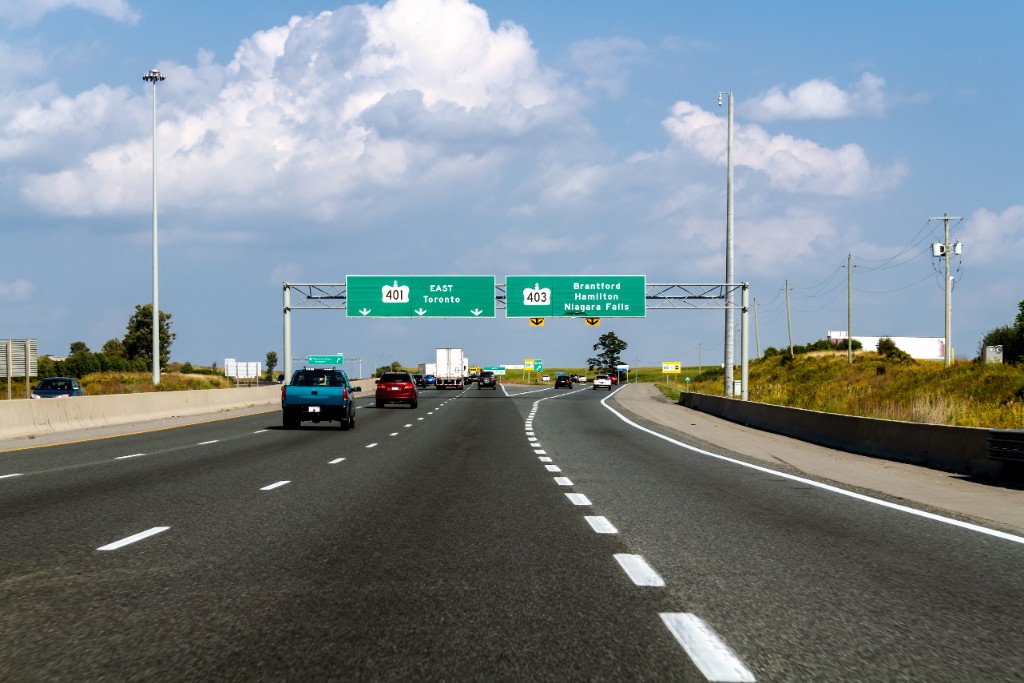
OPP Says 2022 Was the Deadliest Year for Drivers in a Decade
During the once-in-a-decade winter weather event that swept its way across the province in December 2022, more than 500 collisions were reported throughout Ontario. It…
wrongful death
|
September 26, 2018
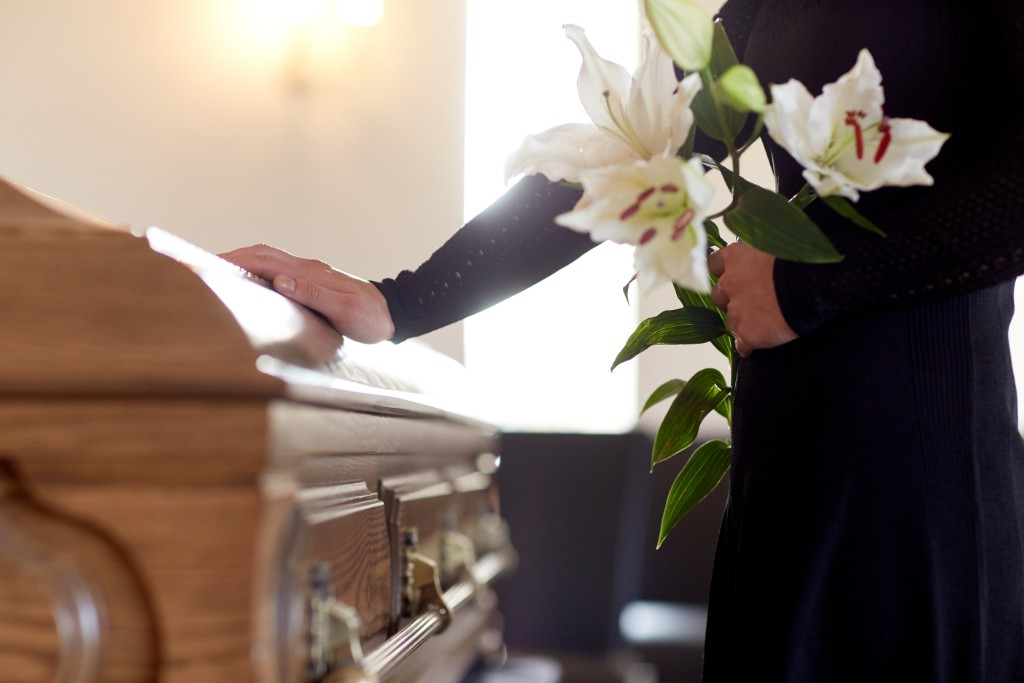
Wrongful Death Claims in Ontario: What You Need to Know
According to preliminary statistics from the Ontario Ministry of Transportation, almost 500 Ontarians died as the result of 439 fatal traffic collisions during 2016. Though…
LOST A LOVED ONE DUE TO NEGLIGENCE IN TORONTO?
Talk to Our Lawyers Today
Compassionate support when you need it
We’ll guide you through the legal process and fight for justice on behalf of your family.
Proudly Serving Toronto
Book Your FREE Consultation
Preszler Injury Lawyers assists clients throughout Toronto and across Canada with a wide range of legal matters.
Contact us today to get started with a free consultation.